NURSE CLINICS
WHAT WE OFFER
-
MONTHLY PUPPY & KITTEN CHECKS
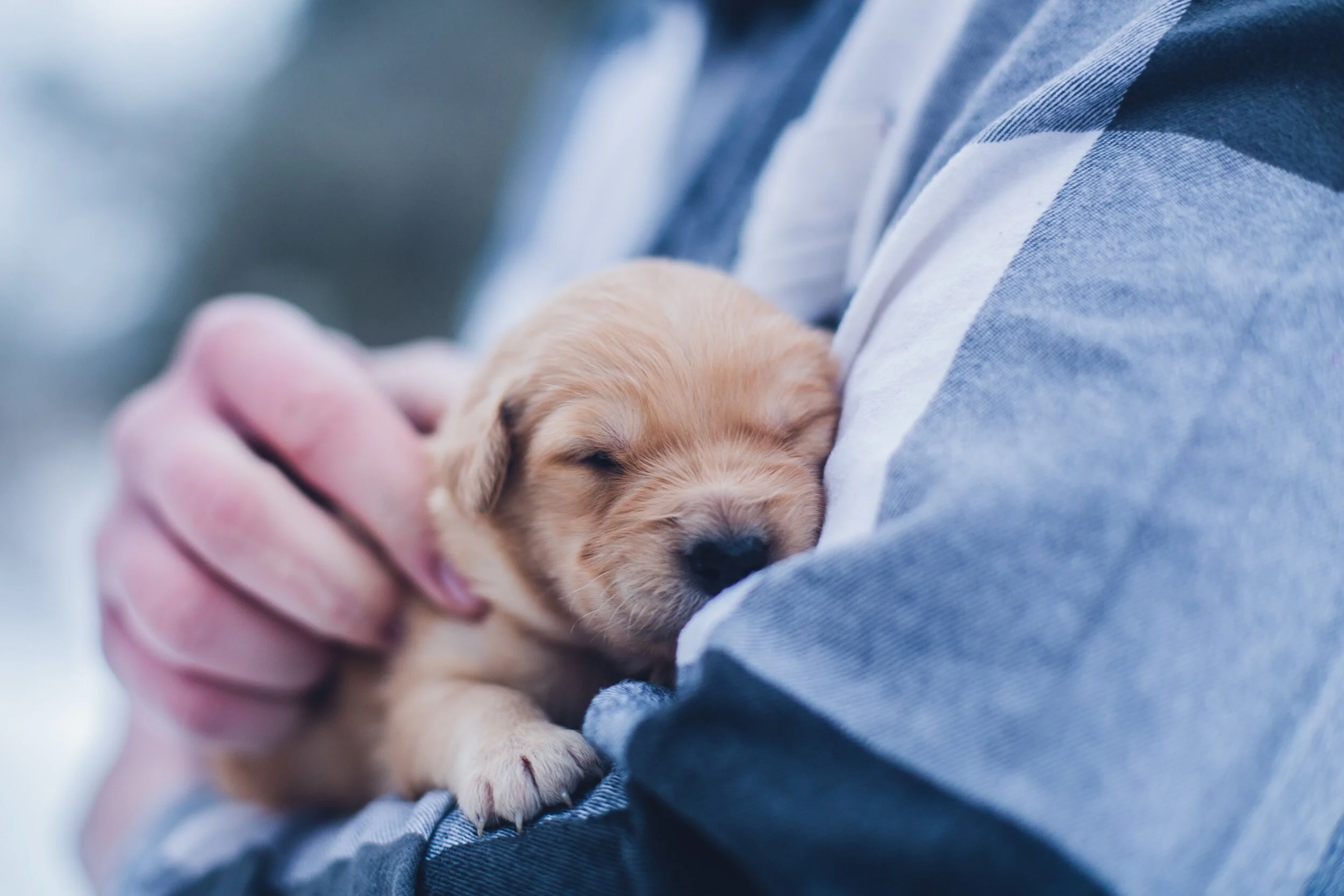
These involve a full top to tail examination and a weight check. These appointments are an excellent opportunity to discuss issues such as toilet training. The weight check allows us to make sure your pet is growing as expected, we can also help you to adjust the amount of food they are eating which is especially useful for our raw feeders!
-

WEIGHT CLINICS
Obesity is linked to conditions such as diabetes, pancreatitis, high blood pressure and orthopaedic disease. Our nurses can help you avoid these life limiting conditions by maintaining your pet’s ideal body weight.
The weight clinic will involve measuring your pet’s weight, body condition score (1-9) and body measurements (neck, chest, abdomen). The nurse will provide you with a diet and exercise plan and check in with you at monthly intervals!
-
NAIL CLIPPING
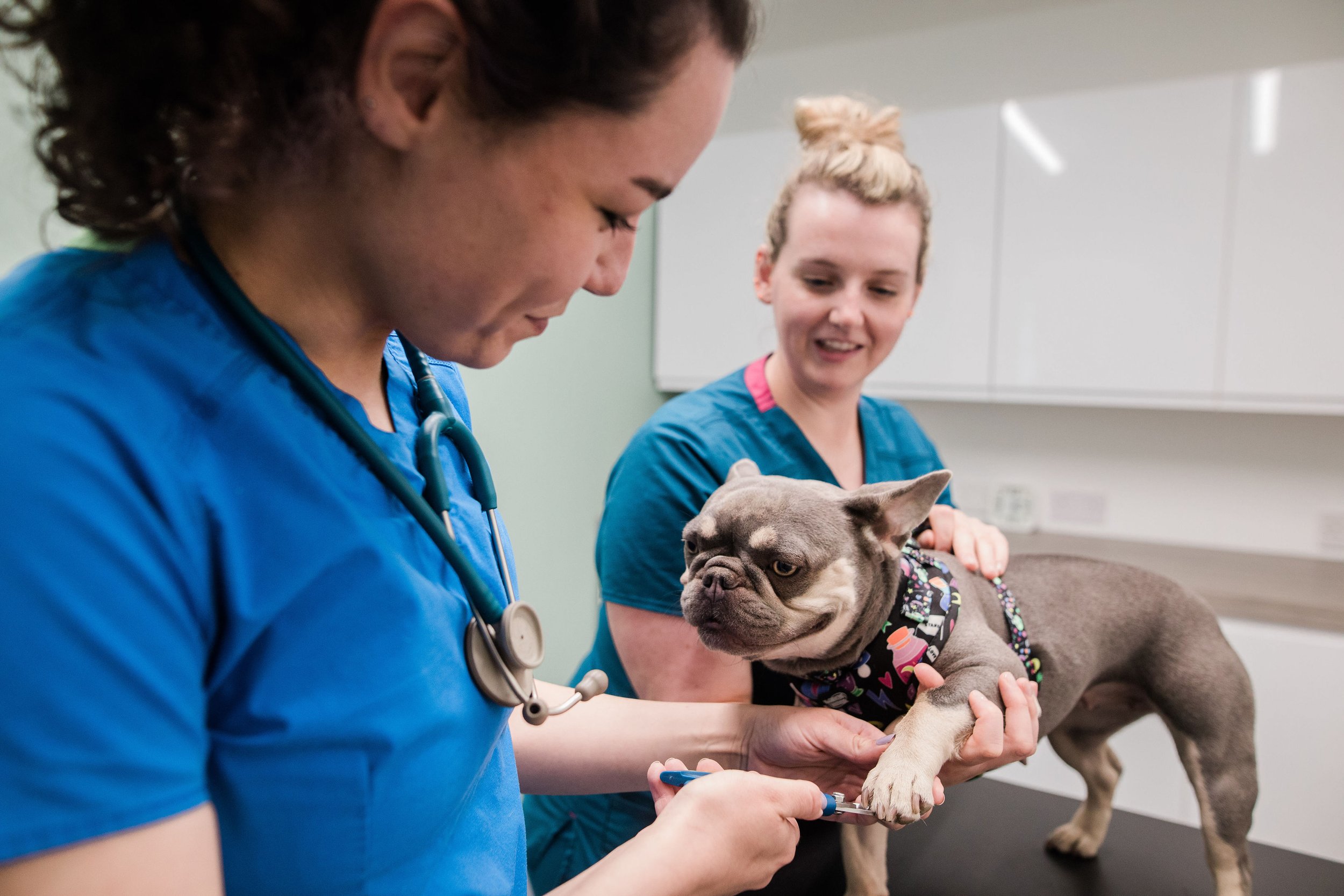
Nail clipping can be both tricky and daunting! A lot of the time pets will behave differently at home which can make nail clipping difficult! Our trained nurses are on hand to clip your pet’s nails in a safe and calm manner. We also have medication and dressings on hand should one of the nails bleed. Maintaining your pet’s nails at the appropriate length is important to prevent ingrown nails, abnormal posture, nail fractures and the pain associated with these.
-
POST-OP CHECKS
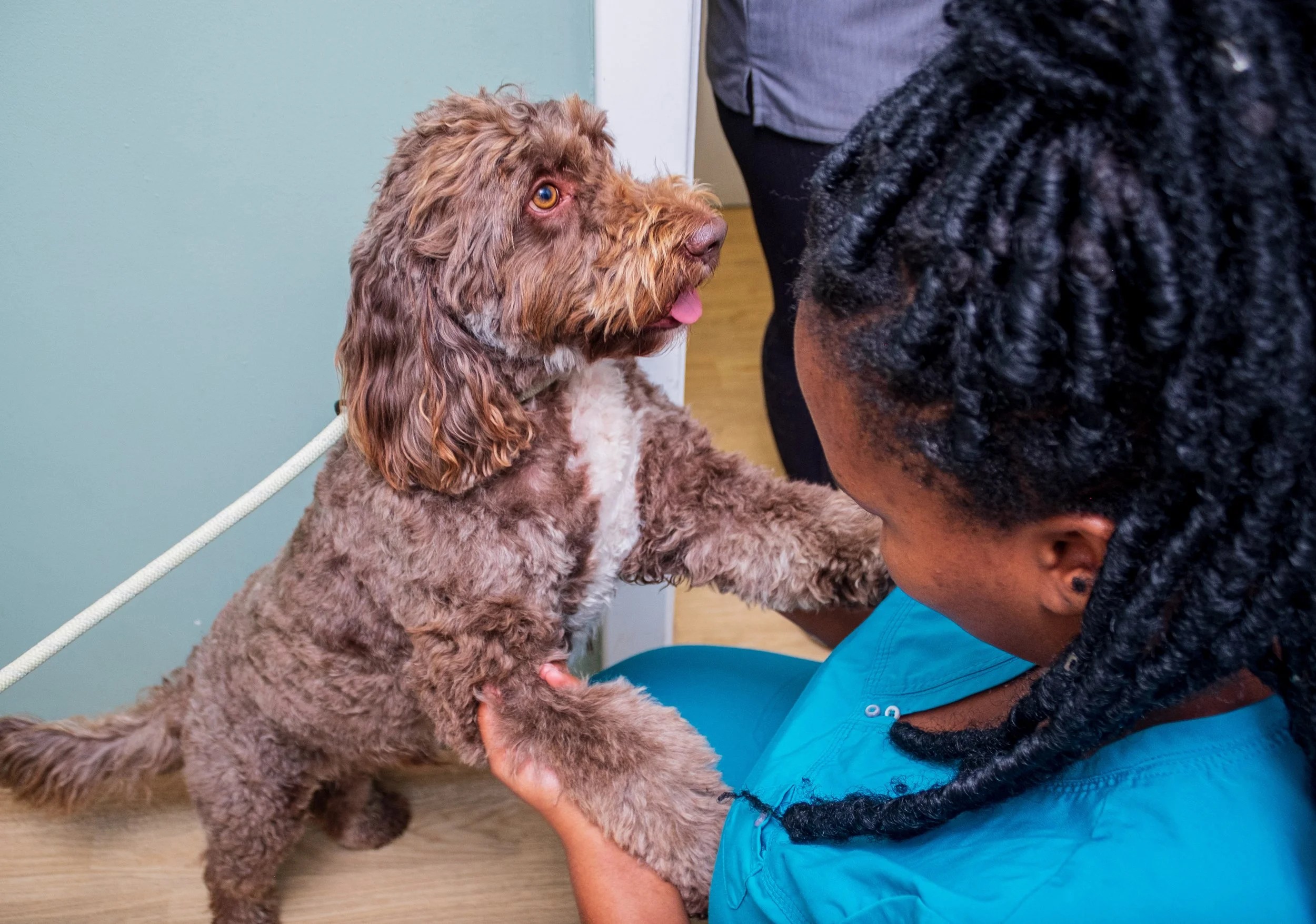
We perform a variety of surgeries at the practice, after your pet receives surgery, we always ask you to bring them to check-ups to ensure that they are healing as expected and that any pain is controlled. We usually see our patients back at day two and day ten post-surgery. Our nurse will ask you how they have been and check the surgical site. If they have any concerns, they will consult the vet on duty.
-
DRESSING CHANGES
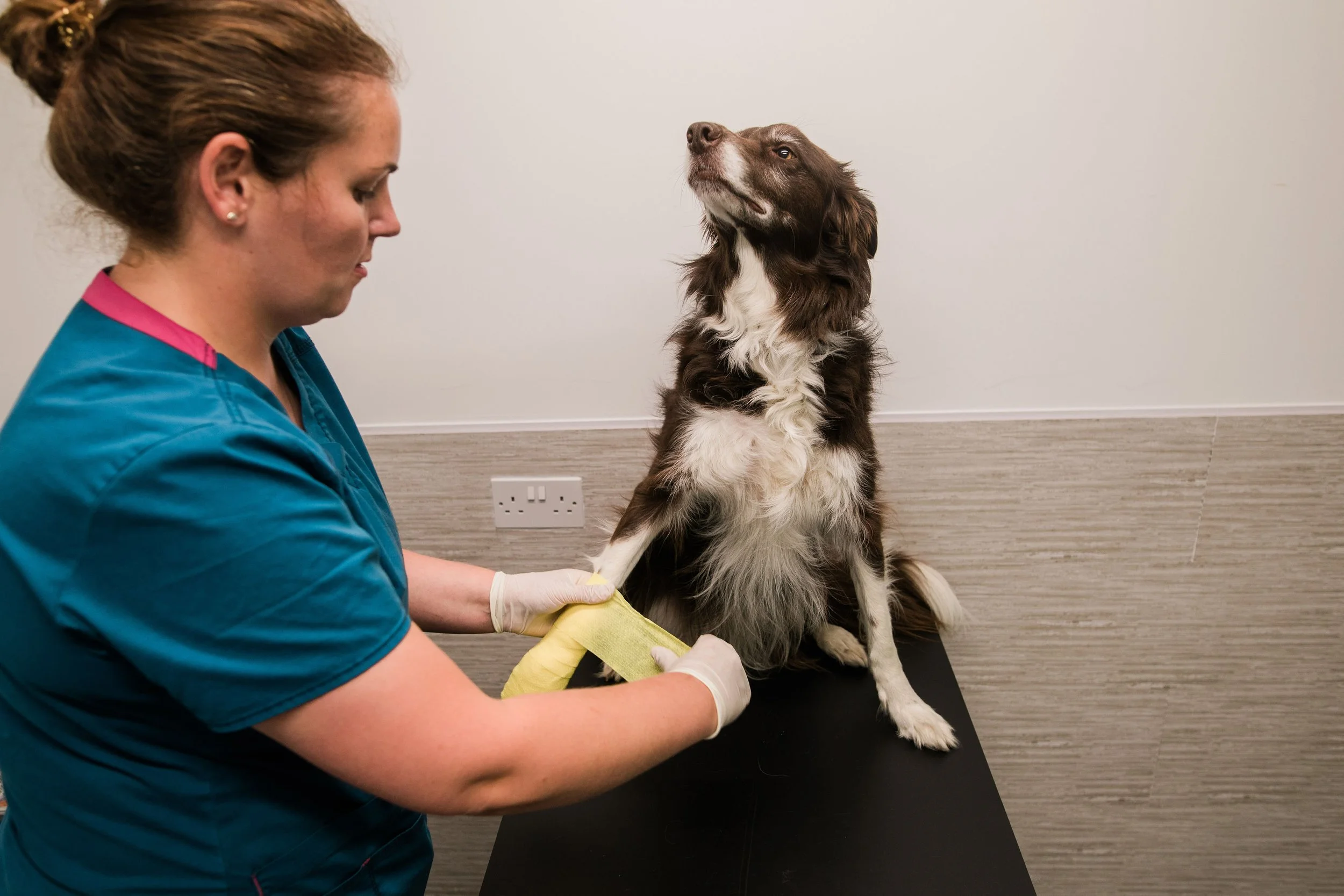
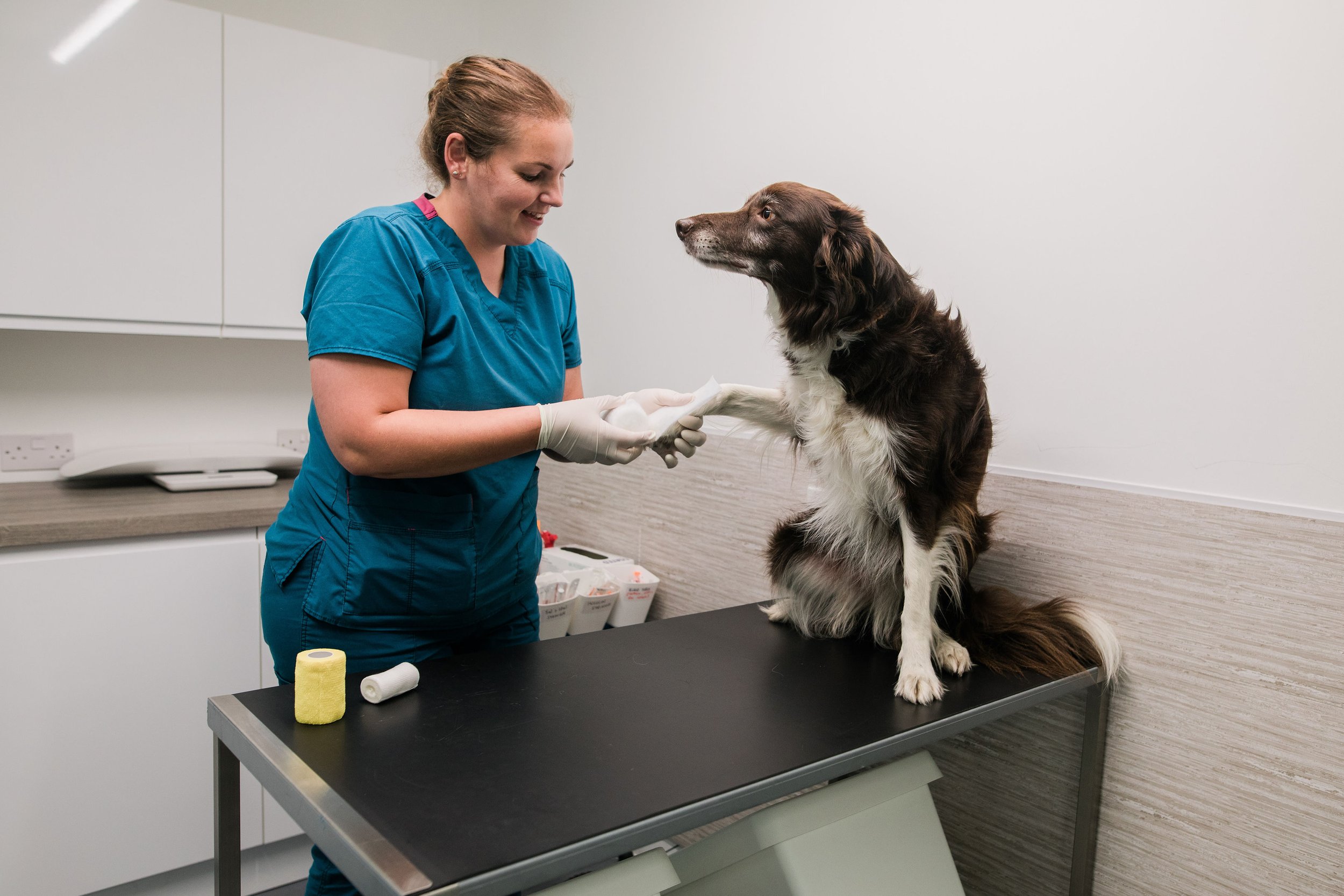
Some wounds may require a dressing or bandage, this usually consists of at least 4 layers of material to protect the affected area. A bandage can be dangerous if left on for too long or becomes wet, therefore we usually perform bandage changes every 3 days. At the appointment, the nurse will remove the bandage, assess and clean the wound and replace the bandage. As soon as it is safe to leave the bandage off, we will, but your pet may be required to wear a buster collar during the final stages of healing.
-
DENTAL CHECKS
Periodontal disease happens when food and bacteria build up along the gums and form plaque, which turns into calculus–also known as tartar. The calculus causes irritation and inflammation of the gums, which is known as gingivitis and is an early stage of periodontal disease. Gum disease is one of the most common medical problems dogs have. Over 80 percent of dogs show early stages of gum disease by the time they are three years old.
Over time, calculus builds under the gums and causes them to separate from the teeth. Bacteria can grow in these spaces, and eventually the disease becomes irreversible, resulting in bone and tissue loss, and teeth may fall out. This can lead to pain and several more health problems.
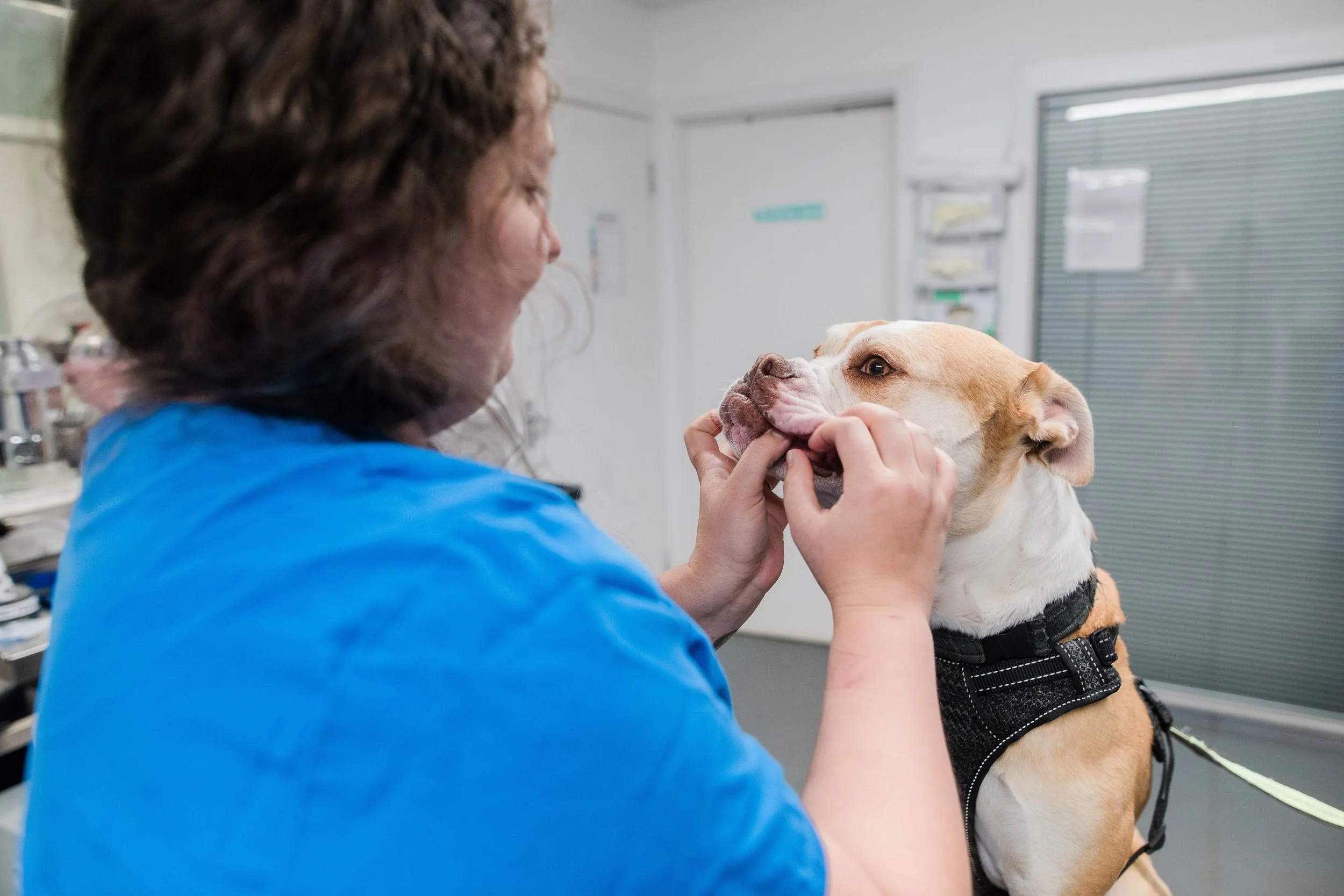
Our free nurse dental checks ensure that our nurses can identify any periodontal disease before it causes a problem for your pet. Our nurses can also show you how to brush your pet’s teeth at home to prevent plaque build-up.
-
TITRE CLINICS
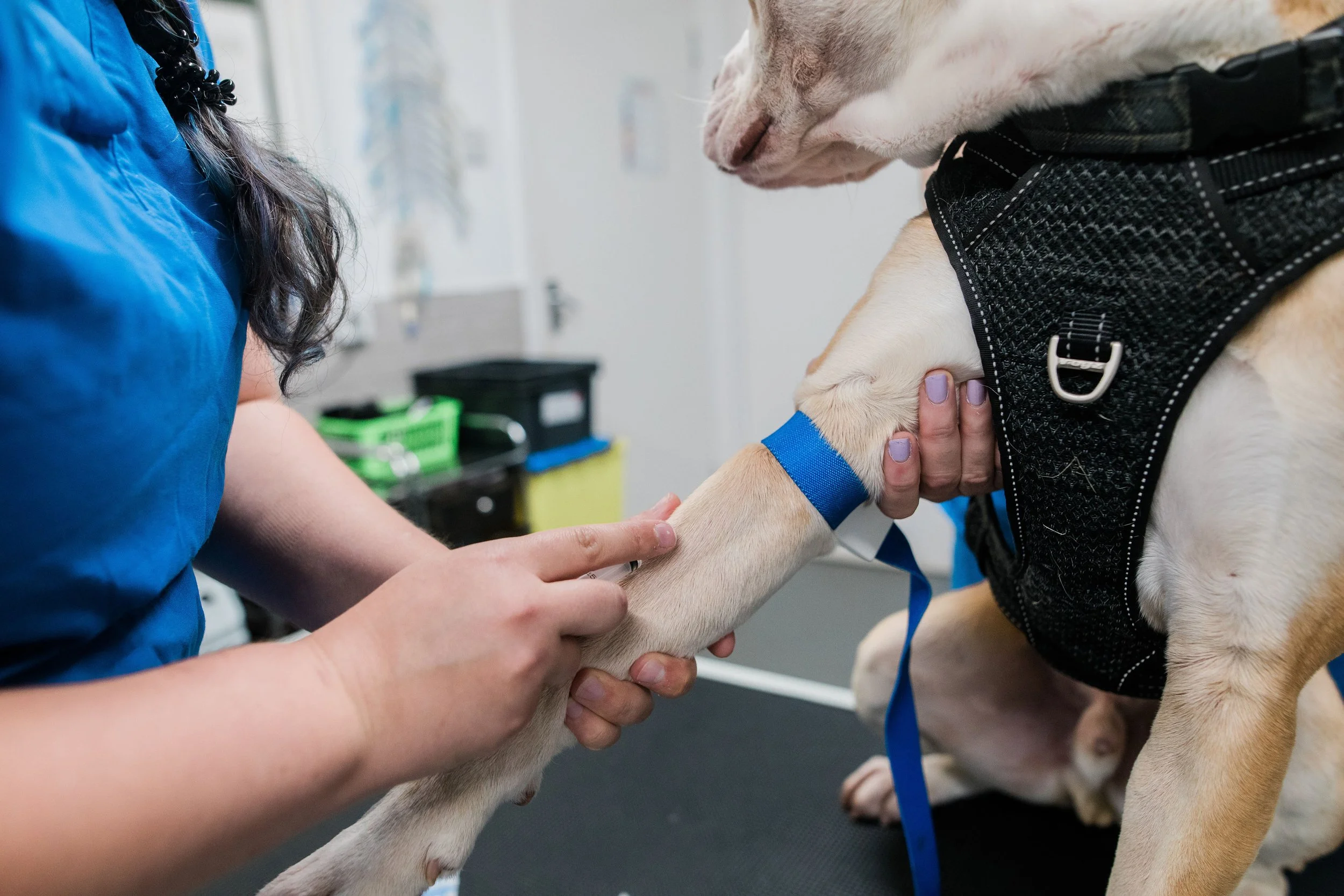
VacciCheck is a rapid and affordable option to check antibody levels for the core diseases, it provides easy to interpret results which determine whether your dog has a protective level of immune response or whether they need revaccination. your story online can make all the difference.
There are several ways titre testing can be beneficial to determine a dog’s antibody levels of the 3 core diseases:
-To determine when it is optimal to end a vaccine series
-After a vaccination to indicate immunisation -success was achieved
-To determine if a booster is required
-To ascertain existing protection for a lapsed vaccination program
-To test a stray/abandoned animal with no clinical history
-To test animals on immunosuppressant treatment
-Can be used as part of an annual health check program
-Can help with minimising the risk of adverse effects of vaccinations
-Reduces the risk of over-vaccination consequences
-Quick results
-
MICROCHIPPING
A microchip is the best way to ensure your pet is returned to you should they become lost. A stray dog for example, will be handed into a vet or collected by the local authority dog warden and kept for seven days. If your dog is microchipped, your contact details will be found and you can come and collect them straight away, even if their collar and ID tag have fallen off.
Since 6th April 2016, all dogs in England, Scotland and Wales must be microchipped. As of that date, owners of dogs and puppies over the age of eight weeks must also have registered their pet’s microchip details on one of the authorised databases. These databases are run by private companies, and not by the government or the council. Dog owners are also required to keep their pet’s details up to date with the database under the new law.
Puppies must be microchipped before they go to their new homes under the new law that came into effect on 6 April 2016. The breeder should be the first registered keeper of the puppy – they are breaking the law if they do not register the puppy by the time he or she is eight weeks old. Breeders should also pass on correct microchip paperwork to the new owner when the puppy goes home.